

Konami has quietly posted one of the clearest signals yet that Metal Gear remains a heavyweight franchise in modern gaming. In an update to its corporate Digital Entertainment Business materials, the company now lists the Metal Gear series at 65.5 million copies sold worldwide, a figure stated as current as of the end of December 2025.
It’s an eye-catching milestone for a series that began in July 1987 and helped define stealth gameplay long before “stealth action” became a standard genre label. While Metal Gear has had stretches of relative dormancy, the new total underscores that the franchise’s back catalog continues to move meaningful volume, and that recent releases and re-releases have kept demand from flattening out.
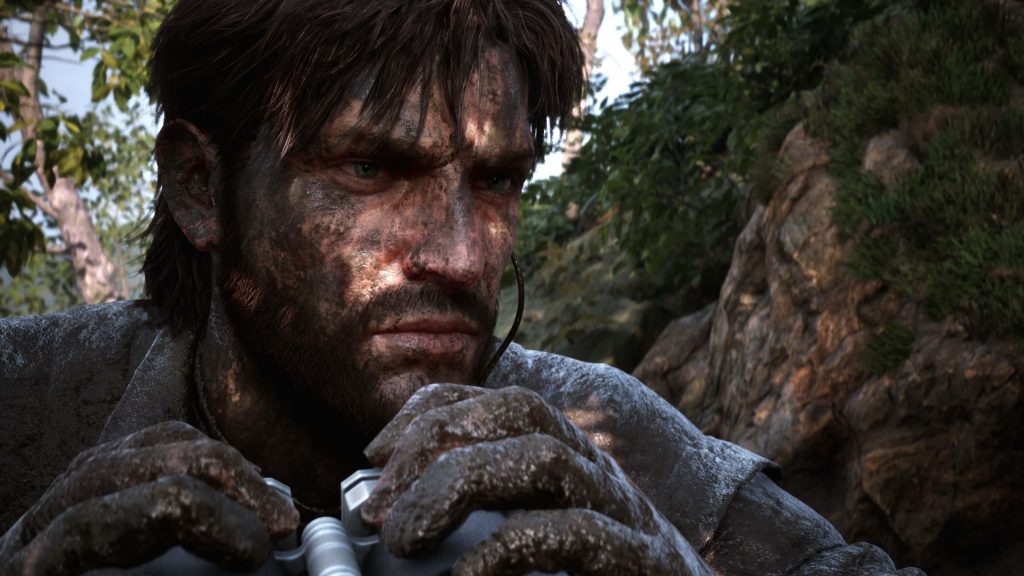
The timing also lines up with a renewed push around Metal Gear Solid Delta: Snake Eater, a remake of Metal Gear Solid 3: Snake Eater that arrived for PlayStation 5, Xbox Series X|S, and PC via Steam. Konami has previously said the remake surpassed one million units sold worldwide shortly after launch, a noteworthy early benchmark that helped reinforce the idea that the series still has broad appeal beyond nostalgia. For publishers, that kind of early momentum matters because it can translate into a longer sales tail, more frequent discounts and promotions that still perform well, and more confidence in supporting the title after release.
Metal Gear Solid Delta: Snake Eater also serves a practical role in the larger franchise story. For long-time fans, it’s a modernized route back into a pivotal entry in the timeline. For newcomers, it’s a more accessible on-ramp into a series that can feel intimidating when viewed as decades of interconnected releases across multiple platforms. Konami has positioned Delta as a faithful remake, preserving the original story and core identity while rebuilding it for current hardware. That approach tends to work well for legacy franchises because it lowers friction for new buyers without asking existing fans to accept a complete reinvention.
The sales number itself, 65.5 million copies worldwide, is significant even without a quarter-by-quarter breakdown. In today’s market, franchises at that scale typically rely on more than one blockbuster launch. They benefit from sustained catalog sales across years, recurring platform promotions, and a steady rhythm of visibility that keeps older entries from disappearing from storefront discovery. That is especially true now that most players build libraries digitally, where older games can resurface through seasonal sales, bundles, subscription adjacency, and platform-wide marketing events.
Metal Gear Solid Δ: Snake Eater – Launch Trailer | PS5 Games
Konami’s broader franchise table puts Metal Gear in a strong position within its own portfolio, and it also offers context for how the company is framing its core brands. In the same set of figures, Konami lists Silent Hill at 14.0 million cumulative sales worldwide, also as of the end of December 2025. Seeing those two numbers side by side is telling, because it highlights a strategy centered on recognizable legacy IP that can be reintroduced to modern audiences through new releases, remakes, and long-tail availability.
For Metal Gear specifically, the current moment is less about one headline release and more about a pattern. The series has proven it can still generate attention and sales when it shows up in a form that fits contemporary expectations, sharper visuals, smoother performance targets, modern platform support, and the kinds of updates players now associate with premium releases. Konami has also described plans to add additional content to Delta after launch, including an online multiplayer mode called FOX HUNT delivered as a later update, which signals a willingness to keep the game in rotation rather than treat it as a one-and-done product.
At a higher level, milestones like this matter because they act as a proxy for brand health. Publishers track sales for internal planning, but they also share select totals publicly to reinforce that an IP has momentum. That momentum can influence everything from licensing discussions to merchandising to broader cross-media opportunities, and it can shape what gets greenlit next. Even without promising a specific next step, updating a franchise sales total sends a message that the series is still a pillar, not a relic.
None of this guarantees a straight line from sales milestone to new projects, and Konami has not attached new announcements to the 65.5 million figure itself. But the updated number does clarify something players often debate, whether Metal Gear still performs like a modern franchise or only survives on legacy reputation. According to Konami’s own published totals, the audience is still there, and the franchise continues to sell at a level that many publishers would consider elite.
For fans, the takeaway is simple: Metal Gear is not just being remembered, it is still being bought, globally, at scale. For the industry, it’s another reminder that the right kind of remake can do more than generate a short spike, it can refresh a brand’s relevance and help lift an entire catalog. And for Konami, posting 65.5 million copies sold gives the company a clear headline to point to as it continues building out its slate around long-standing series with proven demand.
News written by Mike.