

Phantom Blade Zero is shaping up to be one of the most closely watched action RPG launches of 2026—and not just in its home market. The Beijing-based studio S-Game says international players now account for the majority of the game’s wishlists across major storefronts, an early signal that the studio’s “kung fu punk” take on wuxia-inspired action is resonating well beyond China.
In a recent update to fans, S-Game CEO Liang “Soulframe” Qiwei said the dark kung-fu action RPG’s wishlists continue to climb across PC and PlayStation, and that over 50% currently come from overseas markets. The strongest interest outside China is concentrated in Europe and North America, with additional momentum in regions such as Brazil, Turkey, and parts of the Middle East. The studio also highlighted how quickly the project built early traction after its storefront pages went live in mid-December 2025, reaching more than one million wishlists on December 29—about 15 days after listing.
That kind of reach matters because wishlists—while never a guarantee of sales—are one of the most useful early indicators of awareness and intent in today’s storefront-driven economy. On PC in particular, wishlists can amplify visibility through automated notifications, algorithmic discovery, and platform events. They also help developers make pragmatic choices earlier, like which languages and regions to prioritize for trailers, community channels, and hands-on demo opportunities. Conversion from wishlist to purchase can vary widely, so the real test will come with reviews, performance, and day-one word of mouth.
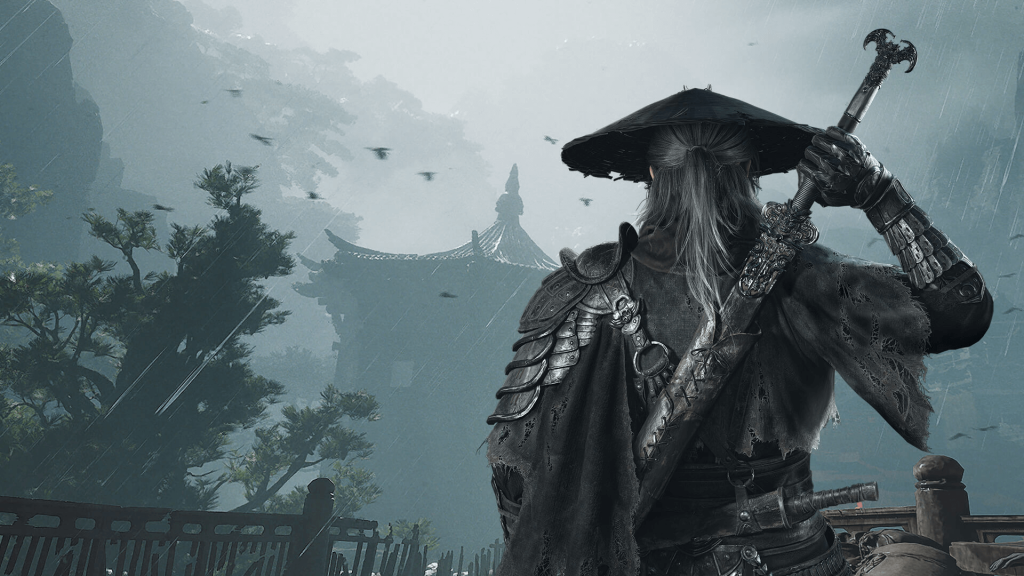
S-Game is also trying to steer expectations about what Phantom Blade Zero actually is. Liang acknowledged ongoing debate about subgenre labels and said the team is intentionally moving away from combat-only marketing that could give players the wrong idea. The studio had planned to release a new Chinese New Year gameplay showcase focused on fighting, but decided to cancel it. The stated goals are to keep the team focused on finishing and polishing the game—and to avoid marketing that could potentially mislead players about the game’s overall direction.
Instead, Liang described Phantom Blade Zero as a layered, semi-open world “sandbox” rather than a traditional Soulslike, and not a pure hack-and-slash either. The studio says difficulty settings are designed to make the experience approachable for a broader audience, while still supporting a harder edge for players who want it. What S-Game keeps emphasizing is identity: a combat system grounded in Chinese martial arts choreography, with timing and movement meant to feel cinematic without being defined solely by punishing difficulty or a single established template.
That communication push matters because global hype can be fragile if players feel the pitch and the final product don’t match. Liang said the team wants to share more about systems and story through formats that better represent the game without consuming excessive development resources—suggesting fewer spectacle-only clips and more structured breakdowns of progression, exploration, and how the world fits together.
Phantom Blade Zero – Announce Game Trailer | PS5 Games 4K
The global wishlist split also lands at a moment when premium Chinese-developed action games are becoming a regular part of the worldwide release calendar. In the last few years, more studios in China have aimed for console and PC launches designed for international storefronts from day one, rather than treating overseas success as a bonus. The wishlist data for Phantom Blade Zero suggests that approach is paying off in awareness terms, especially as digital storefronts make it easier for players to follow projects long before release.
At the market level, the runway is there. Industry tracking projects roughly $188.8 billion in global games revenue for 2025, with about 3.6 billion players worldwide—numbers that help explain why publishers are increasingly chasing global-first launches and why interest from multiple regions can materially shape a game’s momentum.
For Phantom Blade Zero, the headline is simple: S-Game is seeing proof that attention is not confined to China, and it is adjusting its communication to match. The next challenge is translating that attention into confidence—by clearly explaining structure, progression, and story, and by delivering performance and polish as the release window approaches.
Phantom Blade Zero is currently scheduled to launch on September 9, 2026 for PC (including Steam and the Epic Games Store) and PlayStation 5. Until then, wishlist totals won’t settle the genre arguments or predict review scores, but they do show something important: the audience for wuxia-inspired action is increasingly global, and players across multiple regions are already lining up to see how far this “kung fu punk” experiment can go.
For S-Game, keeping that promise—clarity now, quality later—may matter as much as any pre-launch metric for players.
News written by Mike.