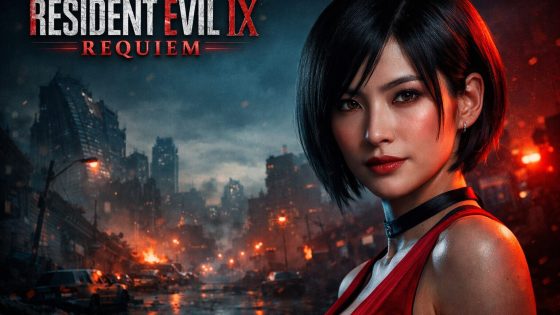

Capcom is taking a clear stance on how its next mainline Resident Evil will ship in Japan. Resident Evil Requiem is slated to release domestically in a single edition rated CERO Z—Japan’s adults-only label—and the game’s director says the team is deliberately pushing right up against what that rating will allow, without turning extreme imagery into a gimmick.
Director Koshi Nakanishi explained that the intent isn’t to chase brutality for its own sake. Instead, the studio wants the tension of close-quarters fights and the impact of certain story beats to land with full force. If a moment is meant to be shocking, or if a battle is designed to feel desperate, the presentation has to support that feeling. But if a graphic detail doesn’t serve the horror or the pacing, it’s not the point.
That creative line matters in Japan because the local rating system doesn’t simply “open up” at the highest tier. CERO assigns age categories ranging from A through Z, with Z reserved for ages 18 and up. Even so, the organization maintains strict standards around specific types of depictions, and games can be asked to revise content before a rating is finalized. For developers, it can mean that a title is approved for adults while still facing firm limits on exactly how certain acts of violence are shown.
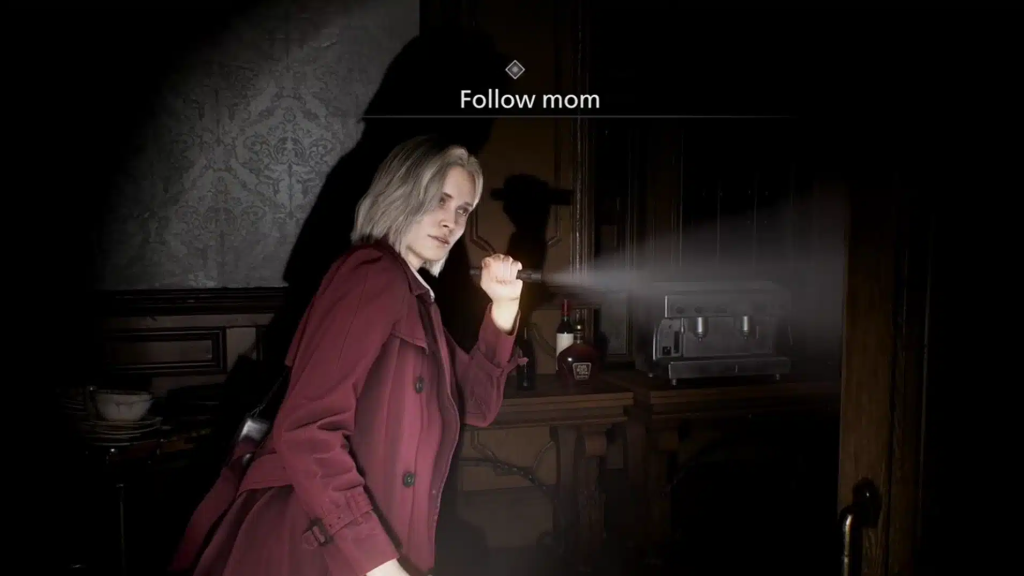
Nakanishi’s comments came as he addressed concerns about scenes that appear intense by CERO standards—such as a moment shown where Leon crushes an infected enemy’s head. He said the footage presented in recent promotional showcases was taken from Japan’s domestic CERO Z version, not a separate international build, and suggested players may be surprised by what still qualifies under the label. The studio, he indicated, is “pushing itself” to keep the Japanese release from feeling held back, while ensuring the content remains in service of tone and gameplay rather than spectacle.
This approach also reflects how Capcom has handled recent entries. Resident Evil Village, the previous mainline game in terms of continuity, launched in Japan with separate CERO D and CERO Z editions. The CERO D version toned down certain violent scenes compared to other releases, while the Z version was closer to the international edition yet still reduced blood effects and removed decapitations. With Requiem, Capcom is avoiding a split release and committing to a single CERO Z edition for the Japanese market—an approach Nakanishi says the company has followed since the Resident Evil 4 remake.
Beyond ratings, Requiem is positioned as a major moment for the franchise. Capcom has framed the game as a flagship entry tied to the series’ 30th anniversary and the ninth mainline installment in the numbered saga. It’s set to launch on February 27, 2026 for PlayStation 5, Xbox Series X|S, PC (Steam), and Nintendo Switch 2.
The game’s structure is built around two protagonists with contrasting playstyles. Players will experience survival-horror tension as FBI analyst Grace Ashcroft, then shift into a more combat-forward rhythm with veteran agent Leon S. Kennedy, who is affiliated with the DSO anti-bioterror organization. The dual approach is designed to create an intentional ebb and flow—tight, vulnerable stretches where resources and positioning matter, followed by sequences that lean into Leon’s experience and mobility in the field.
The broader industry context helps explain why these regional decisions are so visible now. Industry analysts estimate the global games market is nearing the $190 billion range annually, with a player base in the billions worldwide. In that environment, big publishers aim for synchronized launches across platforms and territories, which means content has to be planned with multiple ratings boards in mind from day one. Small differences in guidelines can ripple outward into animation choices, damage models, lighting, camera framing, and how long the game lingers on aftermath after a fight.
Survival horror has also reasserted itself as a mainstream force, helped by high-profile remakes, strong premium releases, and audiences that still show up for carefully paced, atmospheric games. At the same time, players are quick to criticize horror that confuses “more extreme” with “more effective.” For long-running franchises like Resident Evil, the challenge is to deliver intensity that feels earned—scary because it’s immersive and tense, not because it’s trying to outdo itself on a checklist.
Nakanishi’s message is that Resident Evil Requiem is aiming for that balance, even while deliberately pressing up against Japan’s top rating boundaries. If the domestic CERO Z version feels intense, the claim is that it will be intense for a reason: to preserve the director’s intended pacing, tension, and impact. Players will find out how far Capcom can take that approach when Requiem arrives on February 27, 2026.
News written by Mike.