

Capcom is preparing to mark Resident Evil’s 30th anniversary with a new mainline entry designed to satisfy two different appetites at once: the slow, nerve-tightening survival horror that defined the series and the high-tempo action that helped it become a modern blockbuster. Resident Evil Requiem is scheduled to launch on February 27, 2026, and Capcom has described it as the ninth main installment in the franchise. The company says the game is being developed with its RE Engine and is slated for PlayStation 5, Xbox Series X|S, Nintendo Switch 2, and PC.
Capcom’s official messaging leans hard on immersion. In investor-facing communications, the company has highlighted advances in graphical fidelity and cinematic presentation, emphasizing character emotion and realism as part of the experience. That focus fits a franchise that has repeatedly used new hardware eras to reinvent how it scares players, moving from fixed-camera tension, to over-the-shoulder action, and, more recently, close-quarters first-person dread.
Resident Evil 9 Requiem Full Showcase
What makes Requiem’s pitch especially notable, though, is its structure. In a GamesRadar feature, producer Masato Kumazawa said the team’s goal is to alternate segments that immerse players in “the most terrifying horror” with those that deliver “the most thrilling action.” The contrast is not framed as a compromise. Instead, the studio is positioning the switch itself as the point: action can build confidence and momentum, making the next stretch of horror feel sharper, while sustained tension can make a later release into action feel more earned.
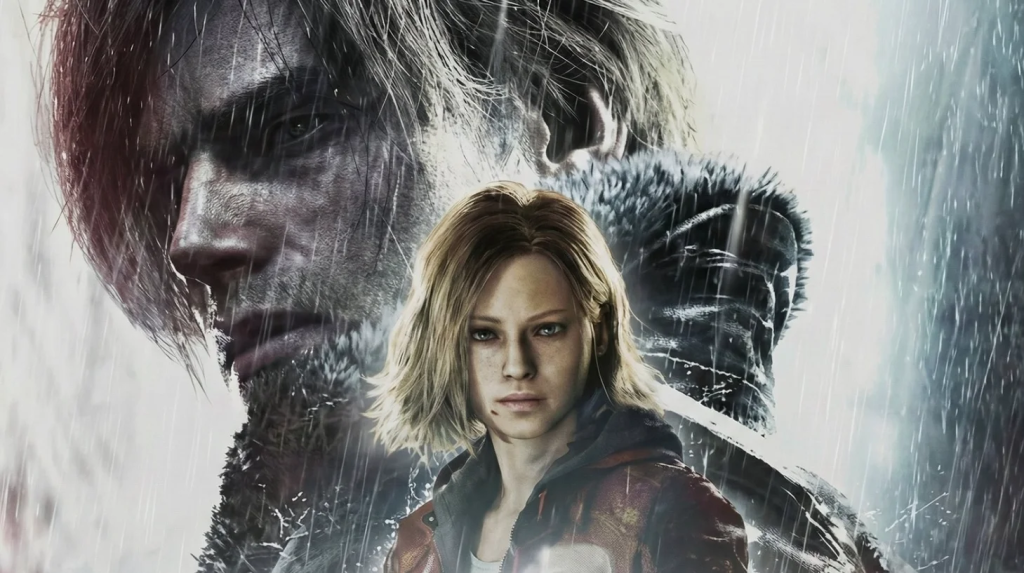
One lead is Grace Ashcroft, introduced as an FBI intelligence analyst with a personal connection to the ruins of Raccoon City. In a Q&A published by PlayStation Blog, Kumazawa described Grace as intentionally vulnerable and relatable, emphasizing her inexperience in biohazard situations and how that shapes the mood early in the game. He also explained that the subtitle “Requiem” is meant to be layered, including Grace’s grief over the loss of her mother eight years earlier, as well as a broader memorial theme tied to the Raccoon City incident and the people caught up in it. In that framing, Grace is not simply a new face; she is a storytelling tool that lets the player feel exposed again, even in a franchise with decades of hardened heroes.
The second playable protagonist, according to GamesRadar’s reporting and related coverage, is series veteran Leon S. Kennedy. Pairing Grace with a character known for competence gives Capcom a clear pacing lever. Grace can anchor sequences where uncertainty, limited options, and the feeling of being hunted are the core experience, while Leon can carry sections that emphasize decisive combat and forward motion. Resident Evil has used multiple character routes before, but the stated ambition here is about emotional rhythm as much as replayability: two viewpoints, two styles of play, one story designed to swing between dread and adrenaline.
Requiem’s camera options suggest the studio is also thinking about accessibility alongside intensity. Multiple outlets have reported that the game will allow players to switch between first-person and third-person viewpoints. Director Koshi Nakanishi has connected that flexibility to lessons learned from Resident Evil 7: first-person immersion can be extremely effective at creating fear, but it can also be overwhelming for some players. A third-person option, by adding a bit of distance, can make the experience more manageable without removing the horror outright.
That idea has support beyond marketing language. Research on interactive horror has found that active play can provoke stronger fear responses than passive viewing, in part because the player’s timing and decisions feel consequential. Separate studies comparing first-person and third-person viewpoints in digital games have explored how perspective can shape immersion and involvement, reinforcing a common-sense conclusion many players already feel: the camera is not just a preference setting. It can change perceived proximity to danger, and therefore change tension.
All of this matters because Resident Evil’s identity has long been a moving target. Over three decades, the franchise has swung between tight resource management and puzzle tension, action-forward reinvention, and modern first-person fear. With Requiem, Capcom appears to be betting that the most reliable way to satisfy a broad audience is not to pick one identity and defend it, but to design the game so those shifts feel intentional rather than jarring.
For Capcom, the stakes are also commercial. In investor communications, the company has said cumulative Resident Evil game sales have surpassed 174 million units worldwide as of mid-2025, underscoring how rare it is for a horror series to thrive at blockbuster scale. Requiem is arriving in a market where horror games are increasingly varied, and where shareable “scare moments” can amplify a release far beyond traditional previews and reviews.
If Resident Evil Requiem delivers on its promise, its defining achievement may not be any single scare or set piece, but tempo: fear rising, confidence building, and then the lights going out again at exactly the wrong moment.
News story written by Mike.