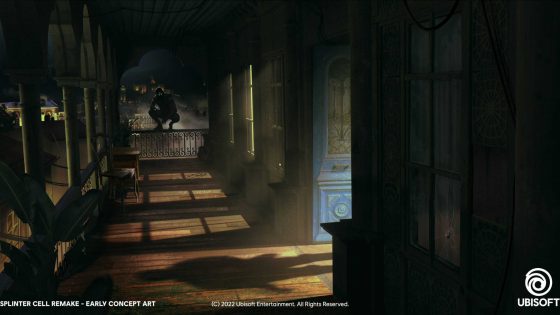
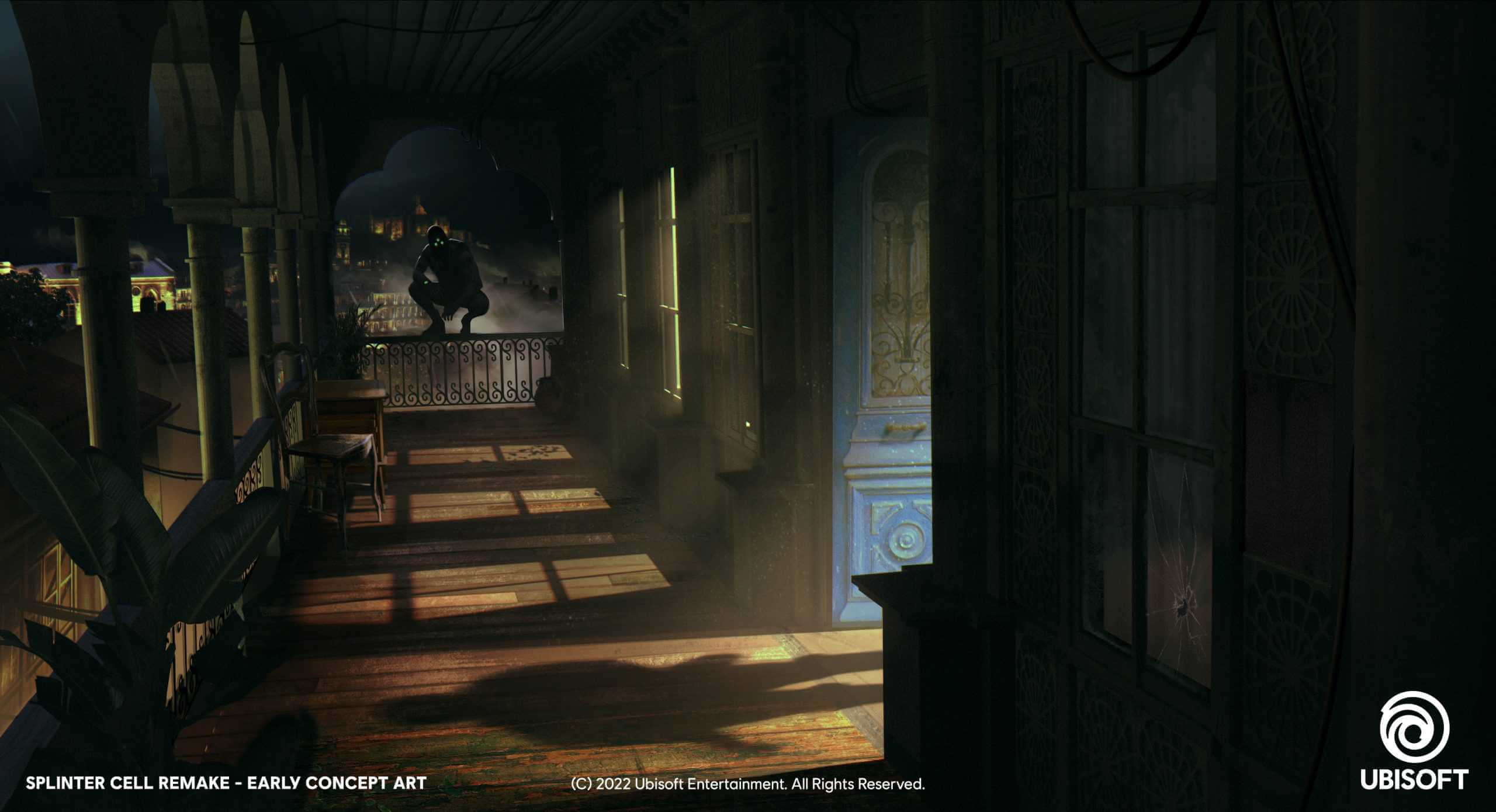

Clint Hocking, creative director of Splinter Cell: Chaos Theory, says modern rendering can make stealth games less readable unless lighting is designed around gameplay clarity.
Tom Clancy’s Splinter Cell: Chaos Theory (2005) is the Deep Tube tag dedicated to coverage of one of the most acclaimed stealth games of its era. This page brings together stories, videos, analysis, and editorial updates centered on Chaos Theory as a landmark entry in the Splinter Cell series and a defining title in tactical espionage gaming. Readers who open this tag can expect a focused archive built around the game itself, its long-term reputation, its role in stealth game history, and the lasting interest it continues to generate among players who value methodical gameplay, tension, and precision.
Coverage collected under this tag may include breaking news tied to the game when relevant, quick updates about re-releases or platform availability, retrospective features, explainers, video coverage, and editorial pieces that revisit why Tom Clancy’s Splinter Cell: Chaos Theory remains so highly regarded. Deep Tube may also use this tag for stories about gameplay systems, mission design, sound design, visual atmosphere, stealth mechanics, and the broader conversation around classic espionage games. If the title returns to the spotlight through remasters, backward compatibility discussions, franchise anniversaries, or renewed audience interest, those stories also belong here.
Because Chaos Theory is widely associated with a more deliberate, thoughtful style of action, this tag is meant to go beyond surface-level mention. Readers may find articles about the game’s place within the Splinter Cell timeline, its influence on stealth design, and the reasons it still stands out in discussions about classic Xbox, PlayStation, PC, and broader sixth-generation gaming history. This tag may also include editorial context about how the game helped shape expectations for lighting, level design, player choice, infiltration, and quiet tactical play, especially in an era when stealth gameplay carried a distinct identity in the broader market.
Deep Tube’s editorial standard is to prioritize confirmed information and clear framing. When a story is based on official announcements, verified product details, or clearly established facts, the coverage will present that responsibly. When a topic touches on rumor, speculation, fan interpretation, or unconfirmed reports, that uncertainty should be made clear so readers can separate established information from developing conversation. The goal of this tag is to give fans of Tom Clancy’s Splinter Cell: Chaos Theory (2005) a reliable and organized place to follow both timely updates and thoughtful editorial coverage.
Follow the Tom Clancy’s Splinter Cell: Chaos Theory (2005) tag on Deep Tube for new stories, videos, retrospectives, and updates whenever this stealth classic returns to the conversation.
Clint Hocking, creative director of Splinter Cell: Chaos Theory, says modern rendering can make stealth games less readable unless lighting is designed around gameplay clarity.

Deep Tube | News is a digital news portal dedicated to covering video games, entertainment, movies, computers, and technology. We also publish major public-interest stories from around the world, so we’re not limited to a single region. If it matters globally and becomes news, we cover it here. Our goal is to maintain a healthy, respectful environment and publish content that’s suitable for a broad audience with high standards.
Rights & Notices
© 2026 Deep Tube | News
Third-party names and content belong to their respective owners. Some materials may be referenced or embedded on this site for reporting, commentary, or informational purposes.
Takedown / DMCA
To request removal or restriction, email [email protected] with: (1) the exact URL(s) on this site, (2) proof of ownership or authorization to act for the rightsholder, (3) your contact information, and (4) a good-faith statement that your notice is accurate.
Software & Trademarks
Themes, plugins, and libraries used on this site are the property of their respective authors and are used under their licenses. All trademarks belong to their respective owners.
Reuse / Licensing
We cannot authorize reuse of third-party media. For permission to reuse original articles identified as written by our editorial team, contact [email protected]
Terms of Use
·
Privacy Policy